Carbon Fiber Far Infrared Heating Lamps: Power, Design, and Industrial Application
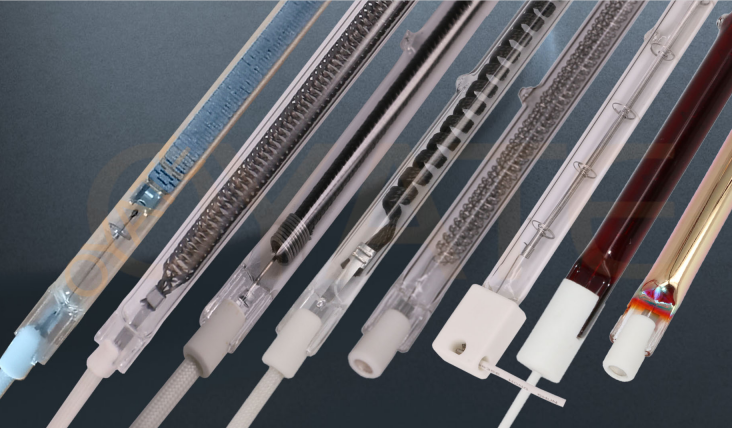
We build these carbon fiber far infrared heating lamps for engineers who need heat they can count on—especially when space is tight. Here’s the magic: they turn electricity straight into a broad far-infrared spectrum, aimed at materials that soak up IR like it’s second nature. The result? Fast response. Tight control. And a footprint that’s small enough to fit where you need it.
Power, Voltage, and Size—What It Feels Like on the Floor
Most of these lamps run at 400V and pack 2500W into a 300mm tube. That high voltage keeps the current lower for the same power, which means you don’t need bulky wiring, and you don’t get that frustrating voltage drop over long runs. And that 300mm length? It concentrates heat density into a small zone, so you can fit a short lamp into a cramped heater block or a focused reflector setup. The wattage and voltage are matched to industrial controls, too—SSRs and thermocouples can hold steady temperatures without forcing you to oversize the whole panel.
Built to Last: Halogen, Coating, and the Right Connector
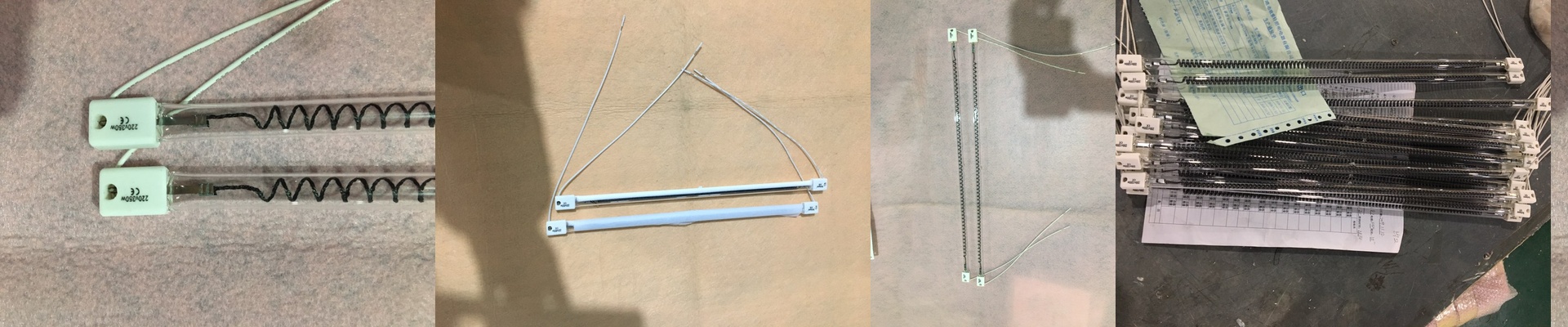
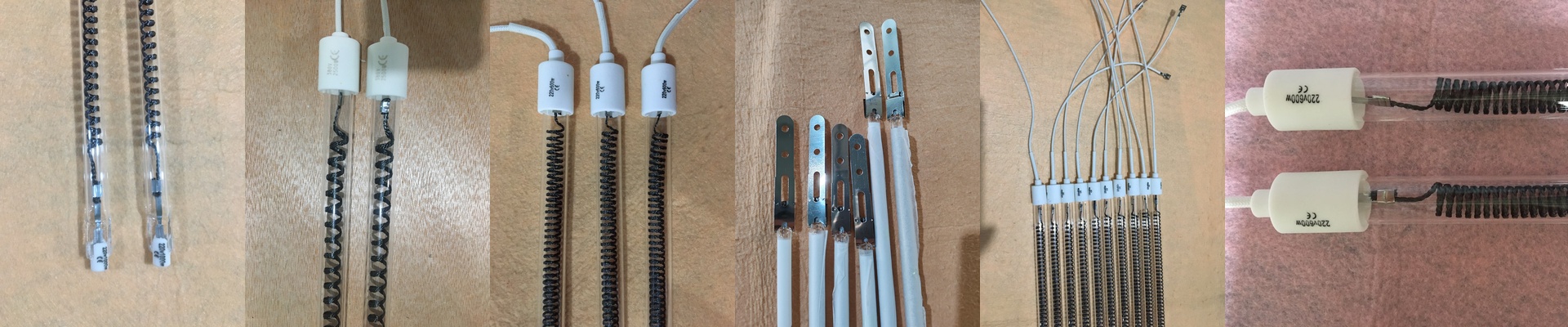
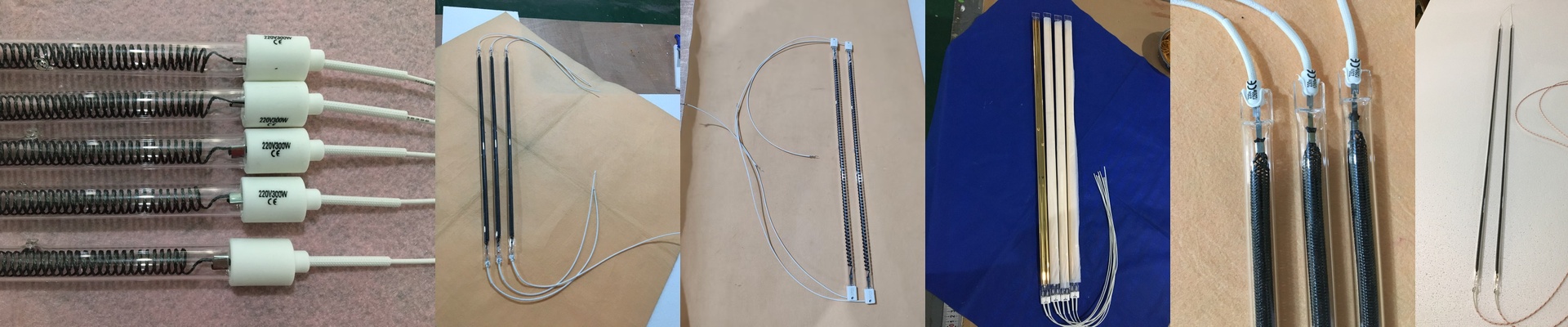
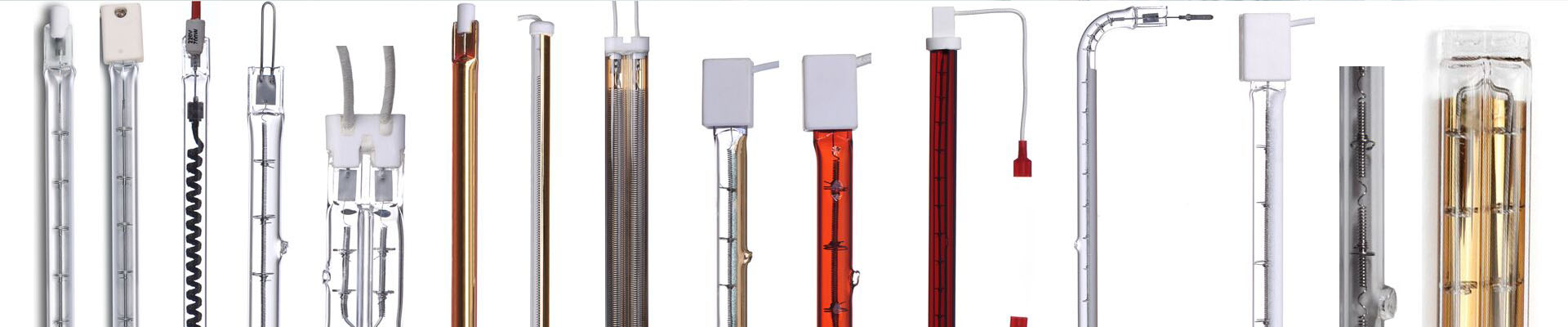
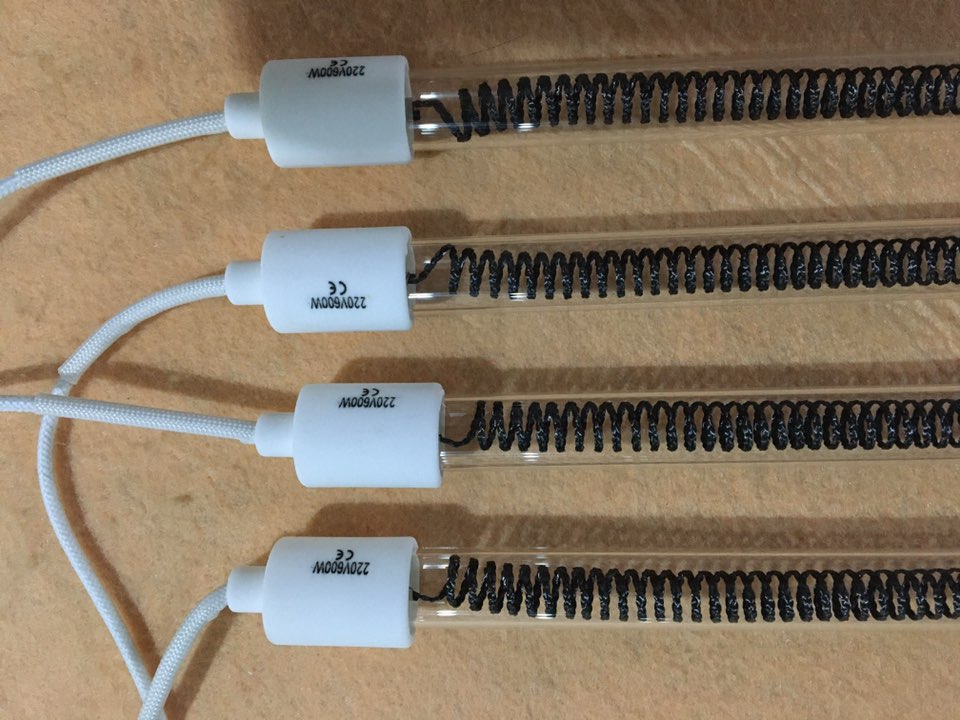
Inside, the carbon fiber element sits in a quartz envelope, often halogen-filled. That helps stabilize output and keeps the filament from oxidizing, so performance stays consistent. The quartz has a reflective coating that pushes more IR forward and cuts down on wasted heat out the back. More usable energy out front, less heat where you don’t want it. For installation, the tube uses an R7s connector—a standard double-ended base. That means it drops right in as a replacement for existing IR heaters. It wires up quickly and locks into place so alignment stays solid.
Where It Shines—and What to Watch For
Use these lamps when you need rapid, localized heating: drying plastics, curing, preheating coatings, or machine vision drying. The far-infrared profile heats surfaces fast without turning the surrounding air into an oven. Just keep one thing in mind: the high power density needs proper cooling and clearance. Size the lamp to the target, match the voltage to your control gear, and you get repeatable heat with far less downtime.