Infrared Carbon Fiber Heaters: Power, Configuration, and Industrial Application
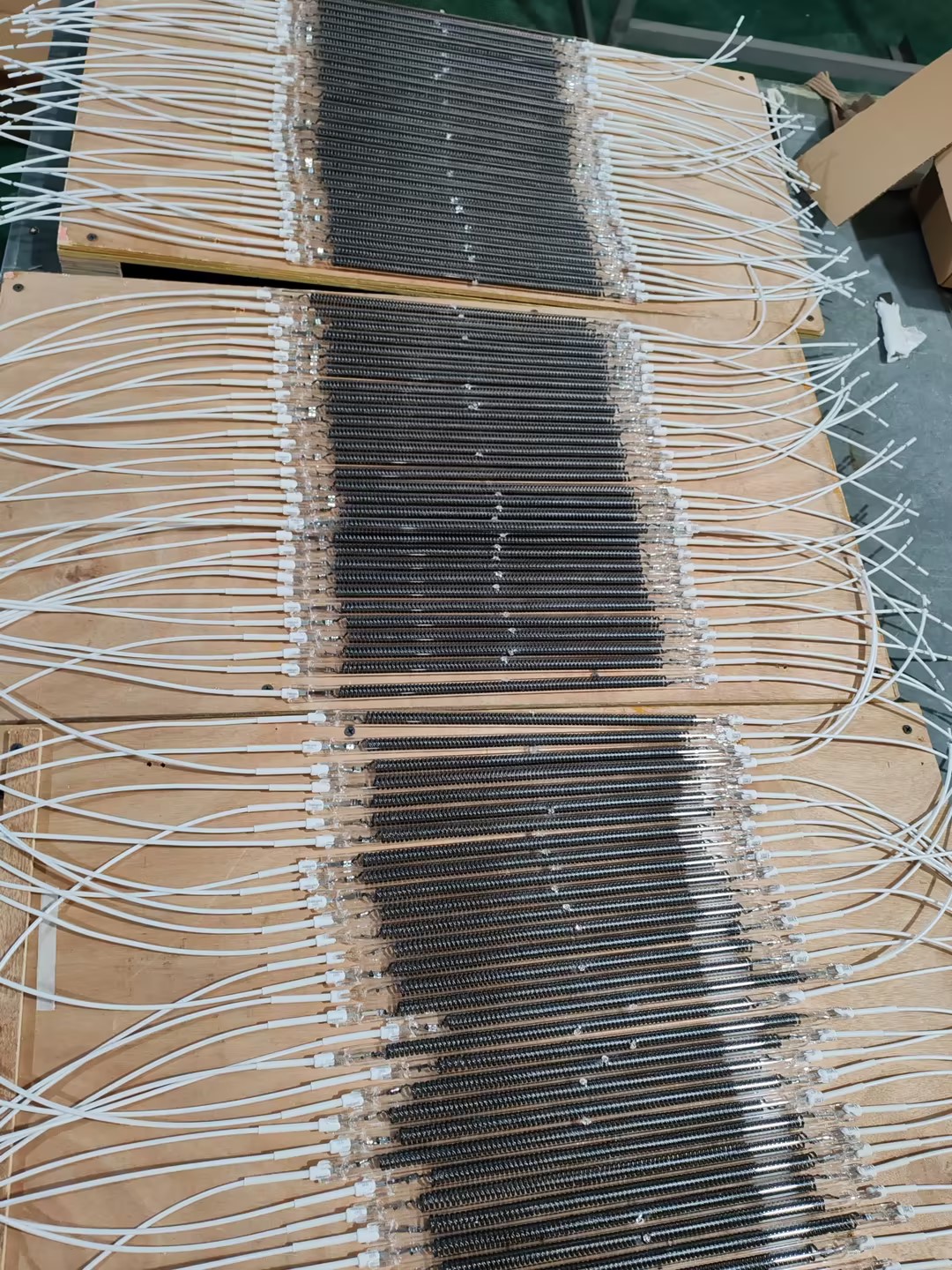
We built this infrared carbon fiber heater for one reason: to give industrial spaces the kind of precise, intense heat they actually need. This isn’t some all-purpose heater you can throw at any job. It’s a focused tool, built for the tough, exacting work that demands serious thermal power.
A Closer Look: Power and Size
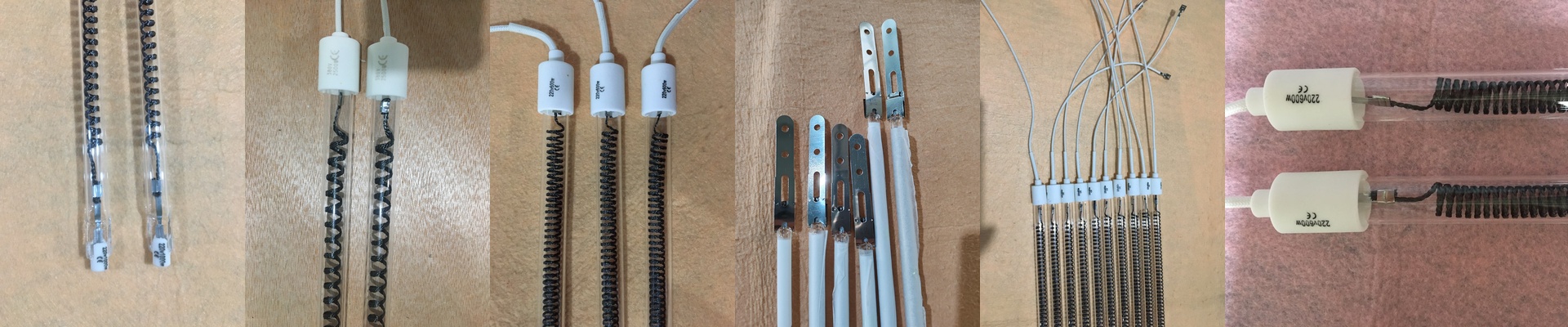
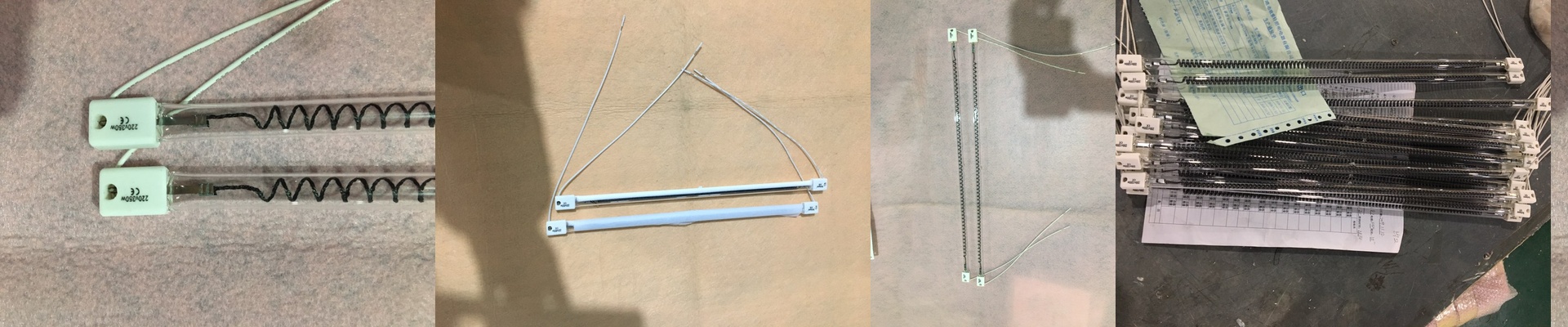
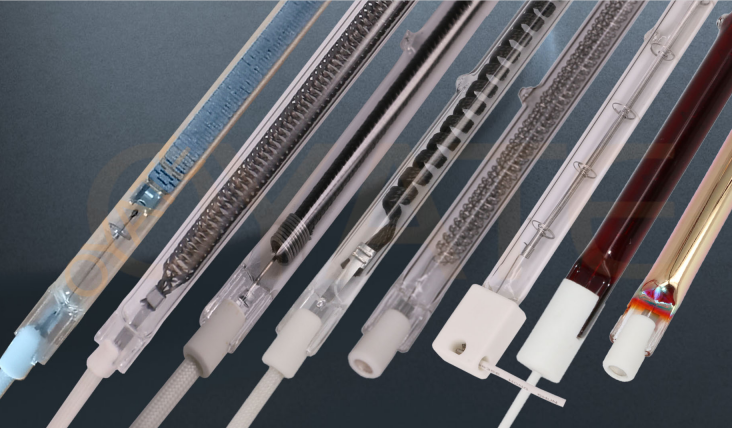
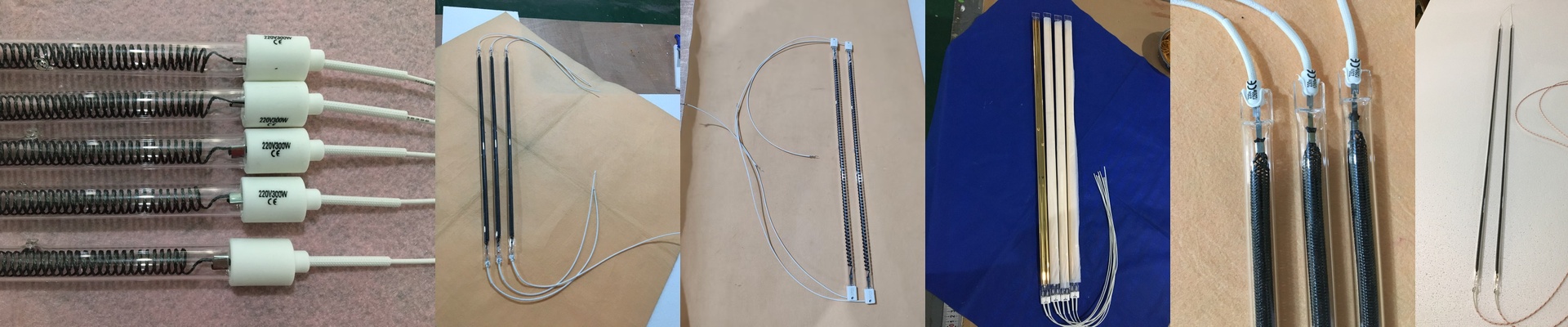
Here’s the heart of it—the carbon fiber element, all tucked inside a quartz tube. It runs on 400V, which is standard for industrial lines, so you can plug it straight in without needing extra transformers. It delivers 2500W of power in a 300mm length. That’s a lot of heat packed into a small space. The whole setup is built for speed—temperature climbs fast, and the output is intense. And with a 10mm tube diameter, it slips into spots where a bulky ceramic heater would never fit.
What It’s Made Of, and Why It Matters
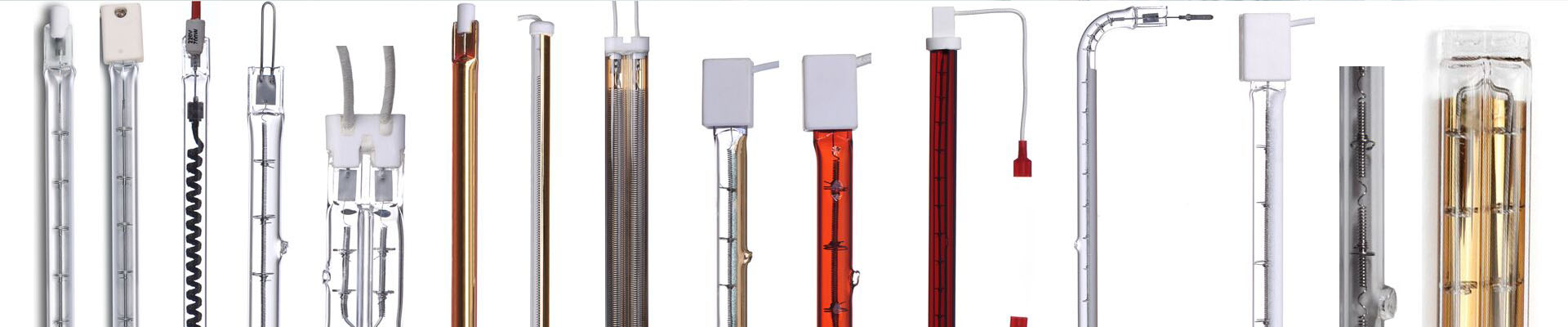
We chose carbon fiber for the element because it has high resistivity and responds instantly. Flip the switch, and it heats up right away. No waiting. You get immediate control over your process, which feels good when you’re trying to keep things moving. The quartz tube keeps everything stable, and it can handle sudden temperature shifts without cracking. Inside, the halogen gas fill helps the filament last longer and keeps the output steady. Installation is simple, too. It uses an R7s connector—a reliable, two-pin design that makes wiring straightforward. If you’re already running R7s systems, this is a direct swap.
Where It Shines—And What to Keep in Mind
This lamp really comes alive in jobs like PET blowing and plastic welding, where you need heat fast and exactly where you want it. The shortwave infrared output gets right to the core of the material, heating from the inside out. That means shorter cycles and more consistent results. Now, there’s a trade-off you should know. Packing 2500W into such a small tube means serious heat density. Your machine’s cooling and thermal management need to be up to the task. Neighboring parts will get warmer, so plan your airflow and heat shielding early. We built these to hold up on the shop floor. They deliver steady performance, and when it’s time to replace one, it’s quick—so you spend less time down. If your work calls for serious power in a tight space, this is the kind of spec that gets the job done. Spec Sheet Snapshot:
- **Voltage:**400V
- **Power:**2500W
- **Length:**300mm
- **Diameter:**10mm
- **Connector:**R7s
- **Element:**Carbon fiber with halogen fill