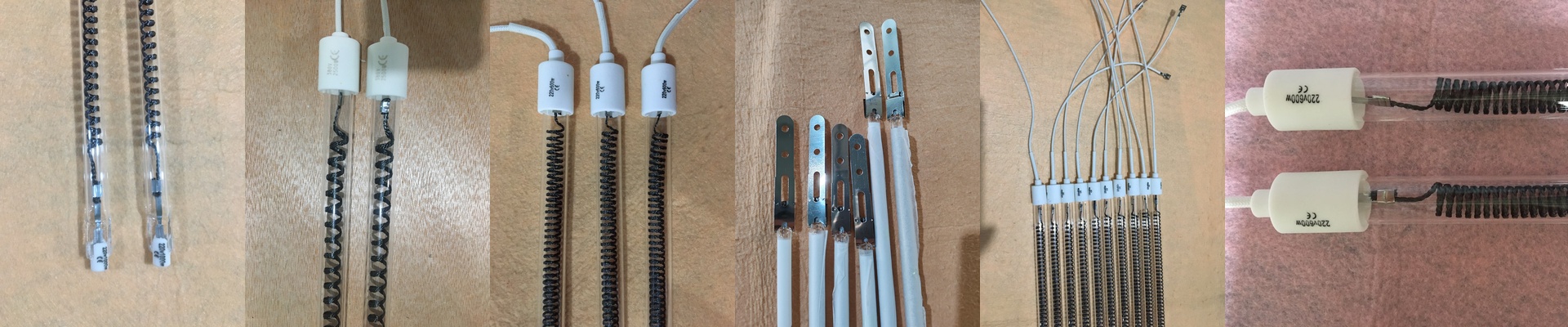
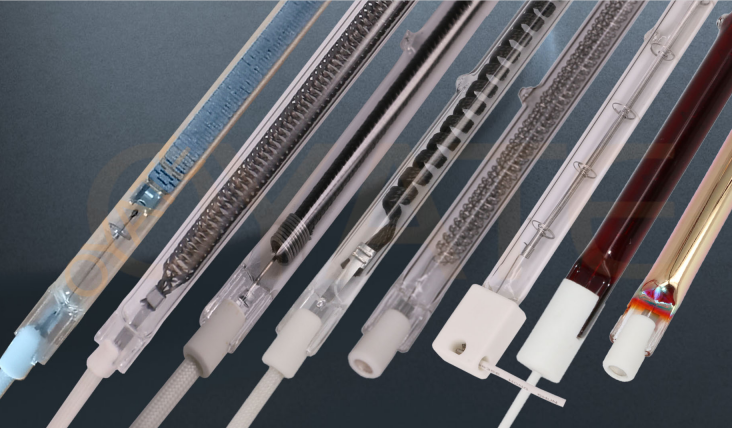
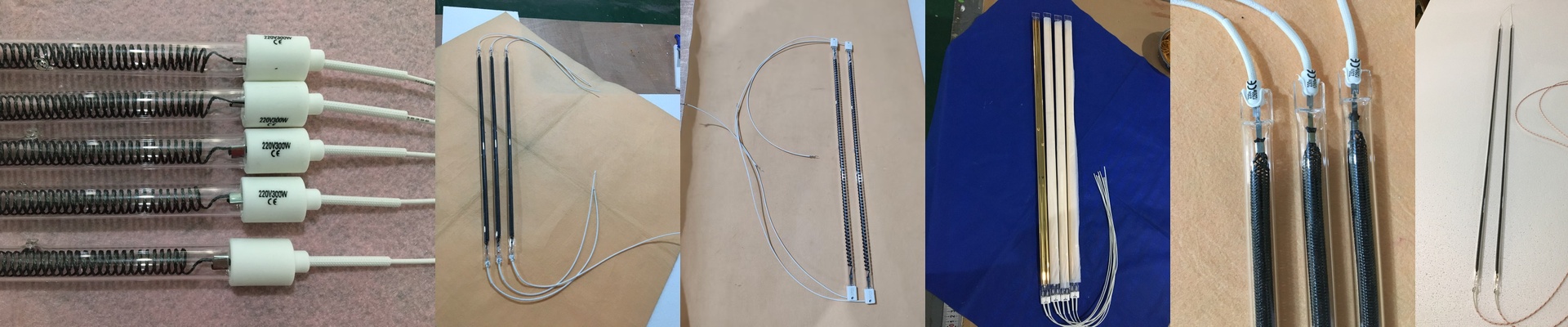
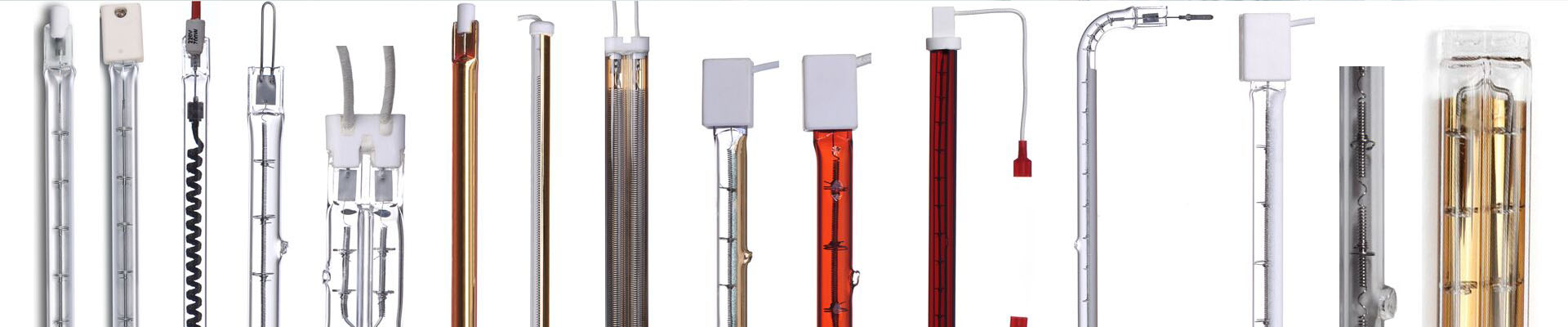
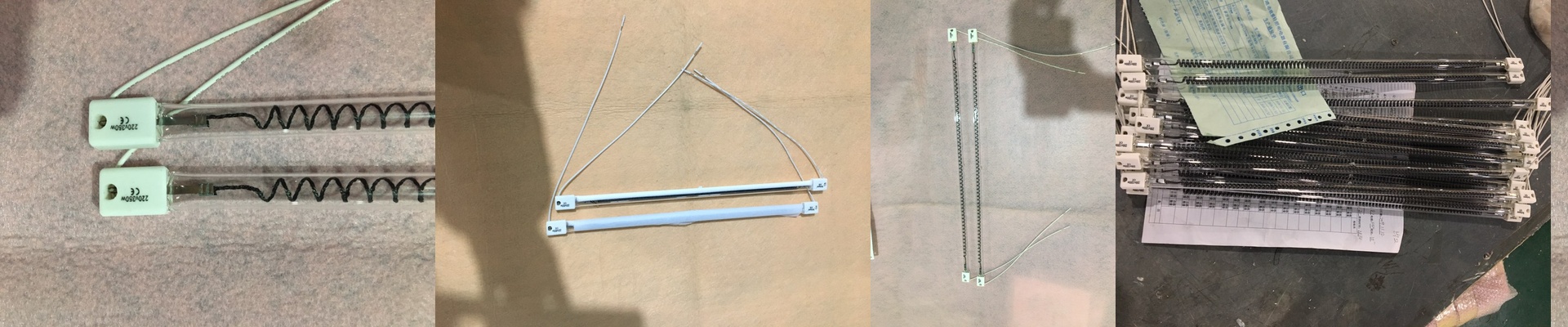
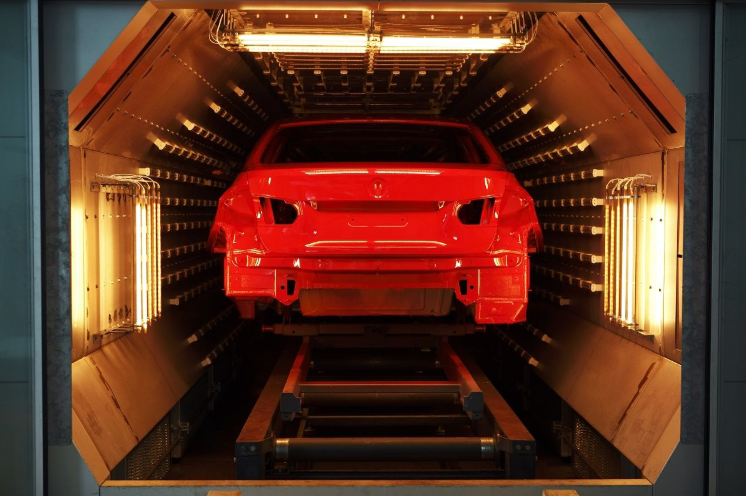
That annoying brake squeal? It usually starts way before the car hits the road. It actually starts in the curing oven. Here’s the problem: when friction materials don’t cure evenly, you end up with internal stress and weird density gaps. I call them “hard spots.” When you hit the brakes, those spots vibrate, and that’s where your noise comes from. Most old-school hot air ovens just blast heat from the outside in. By the time the core is actually cured, the surface is basically overcooked. We handle this differently by using short-wave infrared (IR). Instead of relying on air to move the heat around, IR goes straight into the material. Think of it as heating the whole pad at once, from the backing plate all the way to the surface. It creates a steady, uniform heat that gets the job done right. But you can’t just throw an IR lamp in and hope for the best. You have to get the settings exactly right based on what the material can actually absorb. If you crank the wattage too high, you’ll scorch the resins. Too low? The core stays cold. We spend a lot of time tweaking the emitter spacing and power so the heat soak happens naturally. That’s how you kill those density gaps and the noise that comes with them. Now, if you’re adding IR to an existing line, it’s a pretty easy swap, but there is one catch: your cooling. IR dumps a massive amount of energy into the pads very quickly. They come out of the zone screaming hot. If you don’t have a solid cooling stage or a carefully timed conveyor, you’re looking at thermal shock. And if your cooling can’t keep up with the speed, you might actually warp the backing plates. It’s a simple trade-off. You move from heating the surface to heating the whole volume, and in return, you get way fewer rejects and a much quieter ride.