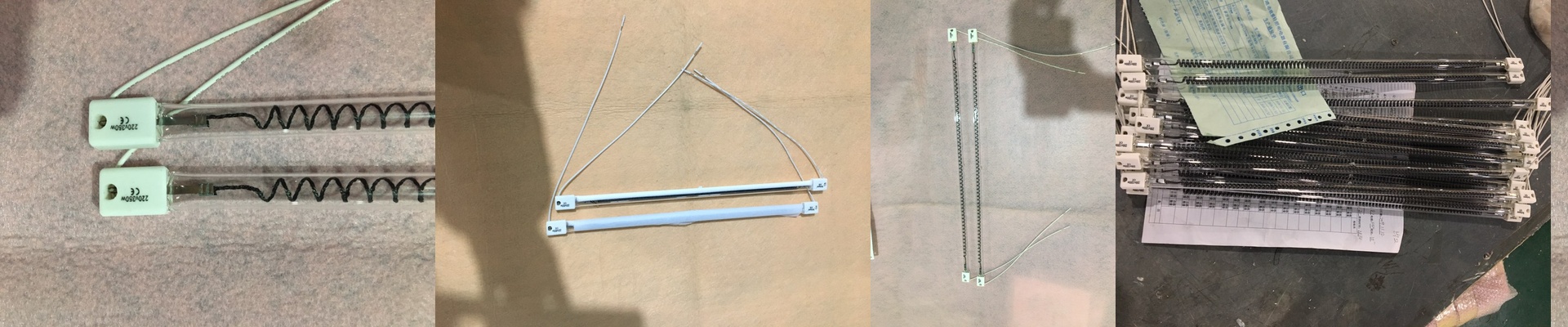

Stopping the Drift in Your Brake Pad Curing Lines
If you’re running a brake pad line, you know the drill. You set your curing cycle, everything looks great at 8:00 AM, and then… something shifts. By the time the night shift hits, your IR modules have drifted. Suddenly, you’re staring at uneven curing and a pile of scrap parts. It’s frustrating. We built our IR modules to stop that from happening. The goal is simple: the heat density you have in the first hour should be exactly what you have in the twenty-fourth. No dips, no surprises.
How we actually keep the power steady
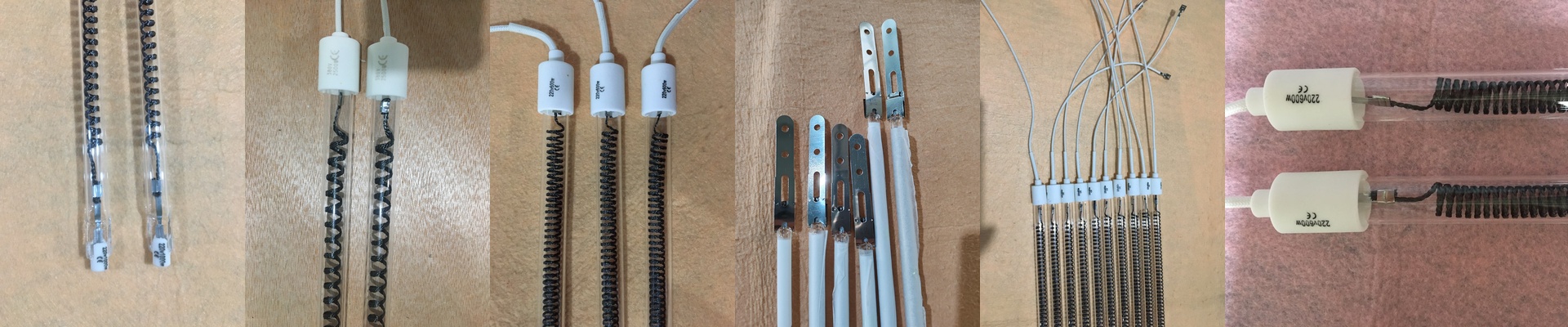
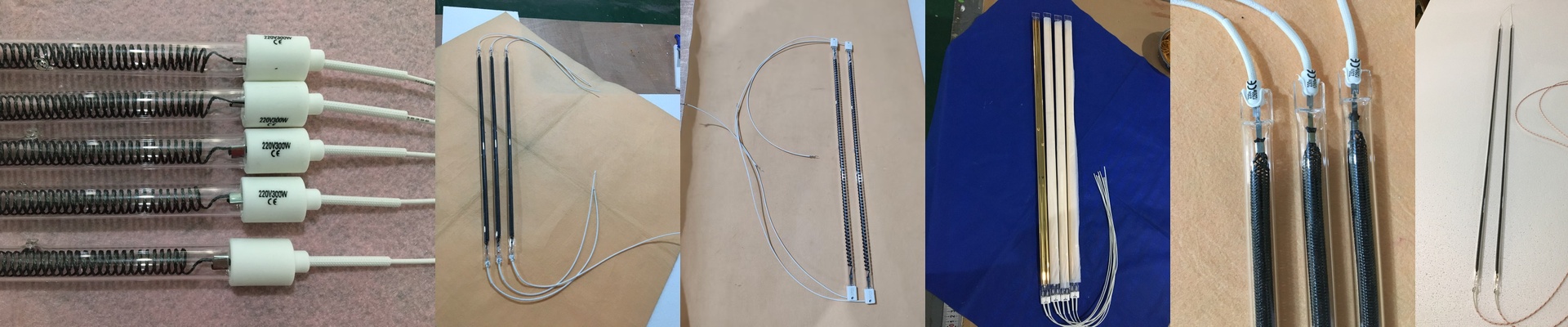
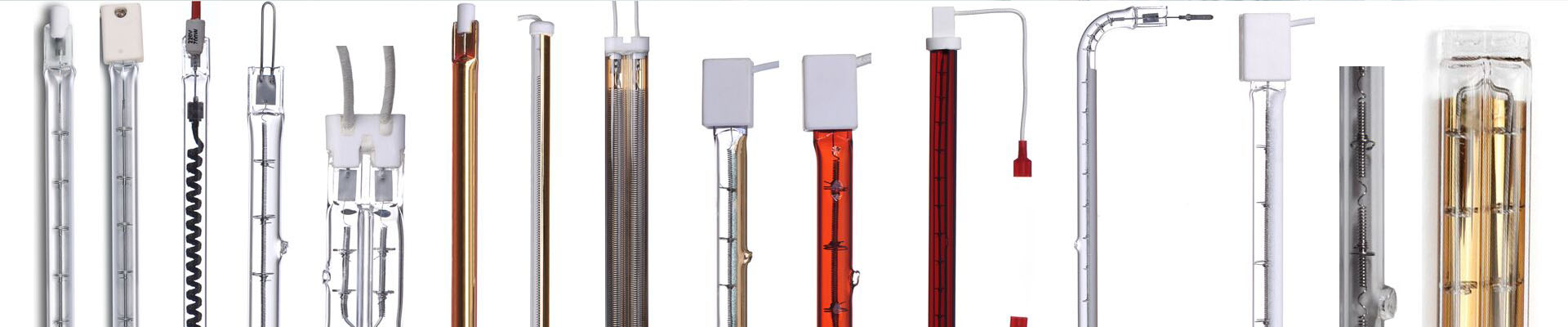
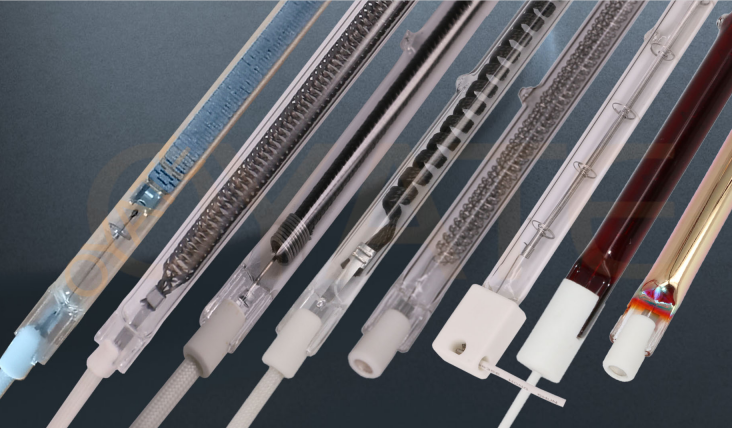
Most power drift comes down to two things: cheap filaments or bad thermal management. We don’t do that. We use high-purity tungsten filaments and heavy-duty quartz envelopes. It stops that slow “burn out” that usually kills your wattage over time. But here’s the thing: you can’t just crank up the wattage and call it a day. If your power is too high but your plant’s grid is shaky, you’ll get flickering. It’s a mess. To fix this, we use PID controllers that tweak the input in real-time. It keeps the output flat as a pancake.
Built for the grit of a 24/7 shop
Running a plant around the clock is brutal on hardware. Between the constant vibration and the clouds of dust and metallic particles, most gear just gives up. We reinforced the mounting brackets so the filaments don’t snap from the shaking. We also sealed the modules tight. The dust stays out; the heat stays in. One heads-up, though. These modules put out a lot of heat—including some that goes where you don’t want it. If your conveyor housing isn’t vented well, the air gets hot. Really hot. That can fry your sensors. I always suggest a forced-air cooling setup for the electronics cabinet. It’s a small addition that saves you from a total thermal shutdown.
Making it work with what you’ve got
You don’t need to rip out your entire line or spend weeks redesigning your floor plan. These are drop-in replacements. You just wire them into your existing power rails and you’re good to go. Once the IR output is stable, you can stop obsessing over manual quality checks. Better yet, you can stop the annoying cycle of replacing burnt-out lamps every couple of weeks.