Let’s talk about what this thing actually does
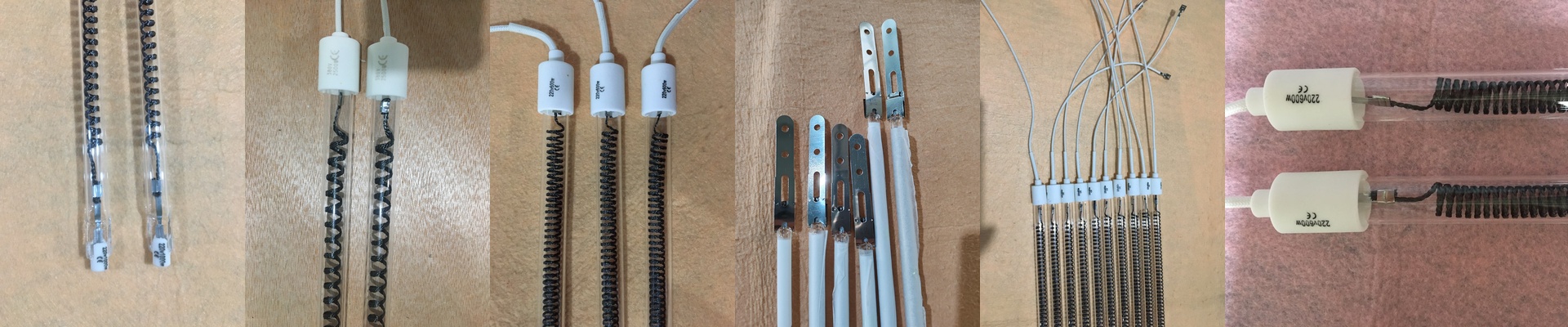
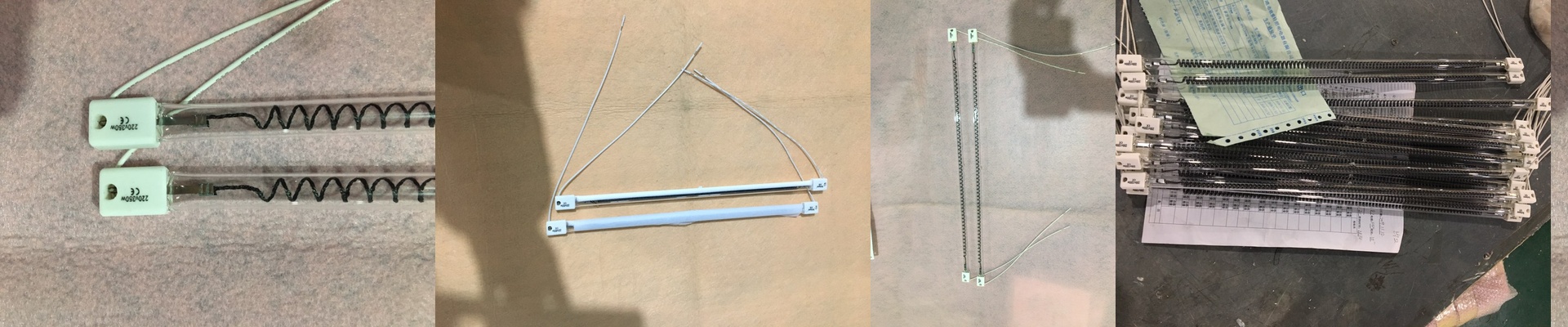
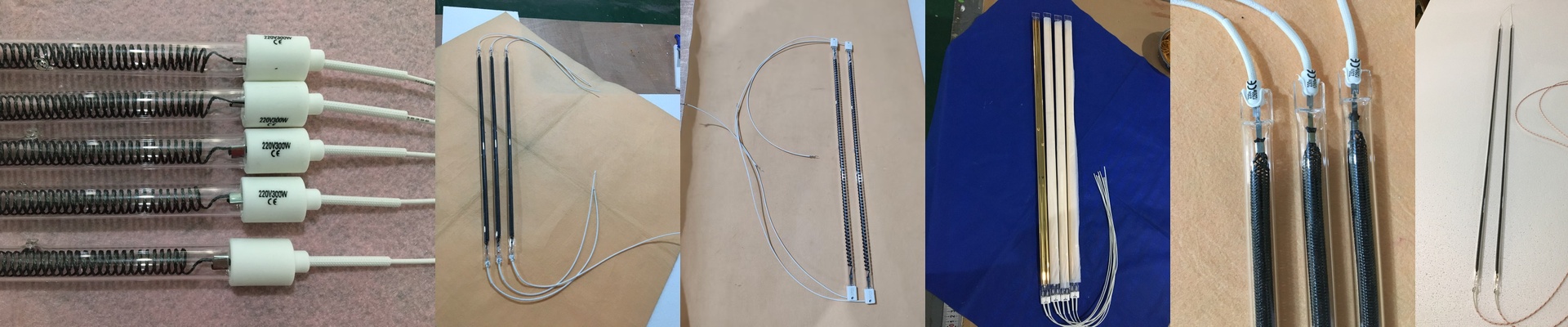
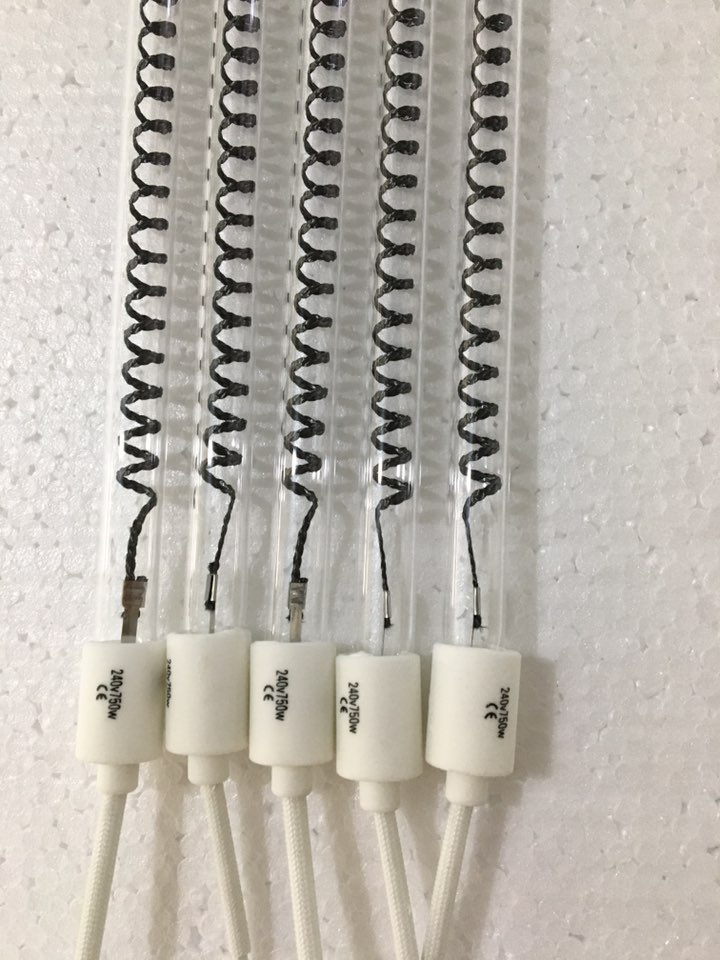
We built these carbon infrared emitters for one reason: to pack a ton of heat into a tiny space. Inside a 300mm tube, we run 400V at 2500W. That’s serious power in a small footprint. High voltage means lower current for the same wattage, so you end up with thinner wiring and less voltage drop along the line. And that short, 300mm length? It gives you a tight footprint, so you can fit concentrated heating into tight zones without reworking the whole machine.
The guts that make it reliable
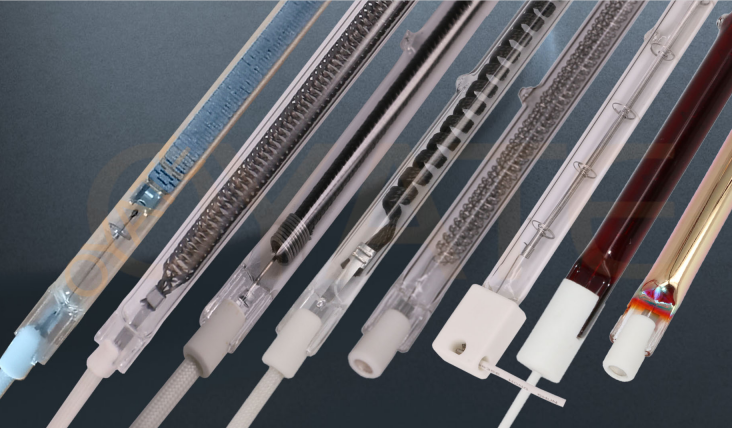
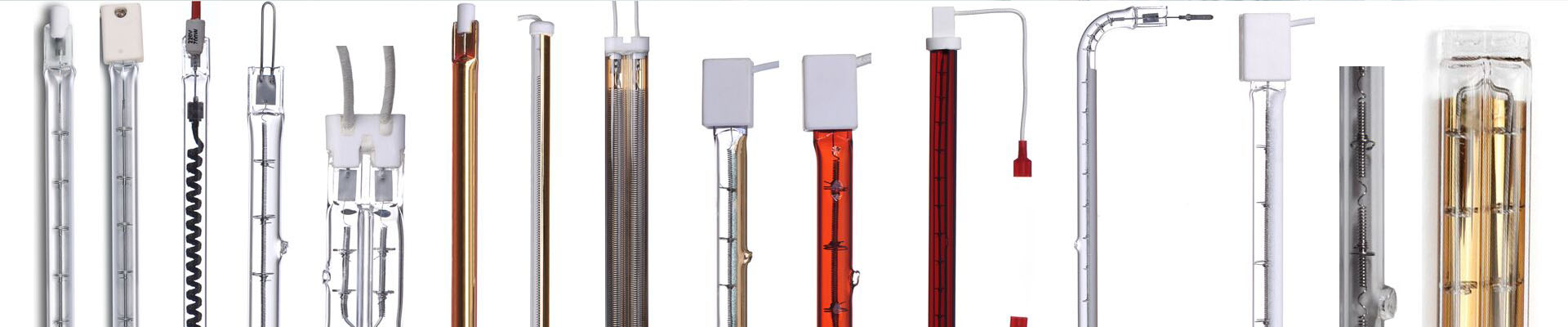
Inside the quartz tube, we use a halogen environment. It keeps the carbon filament stable and slows down the burn-out you get with plain air. Then there’s the gold coating on the quartz. It reflects infrared back toward the target, so more of the heat goes where you need it and less is wasted. For the hookup, we use an R7s double-ended connector. It’s a proven fit for standard sockets, so installation is quick, and alignment stays consistent—no fussing every time.
Where this shines: PET blowing and more
This setup is made for fast-response heating—especially in PET blowing, where you need rapid, even surface heat to stretch the preform cleanly. The shortwave response hits the surface fast, which helps you speed up the cycle. Now, here’s the trade-off: that high heat density means you need proper cooling and clearance. The machine has to be spec’d to handle the extra ambient heat. But when you get it right, you’ve got a tough, easy-to-install emitter that keeps process temperatures steady—even when the shop floor is working hard.