Are carbon infrared heaters actually cheap to run?
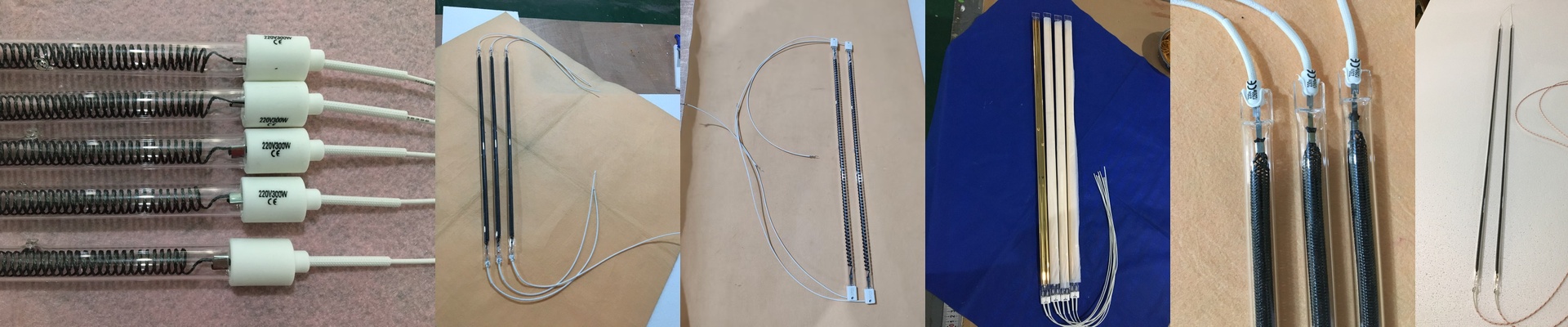
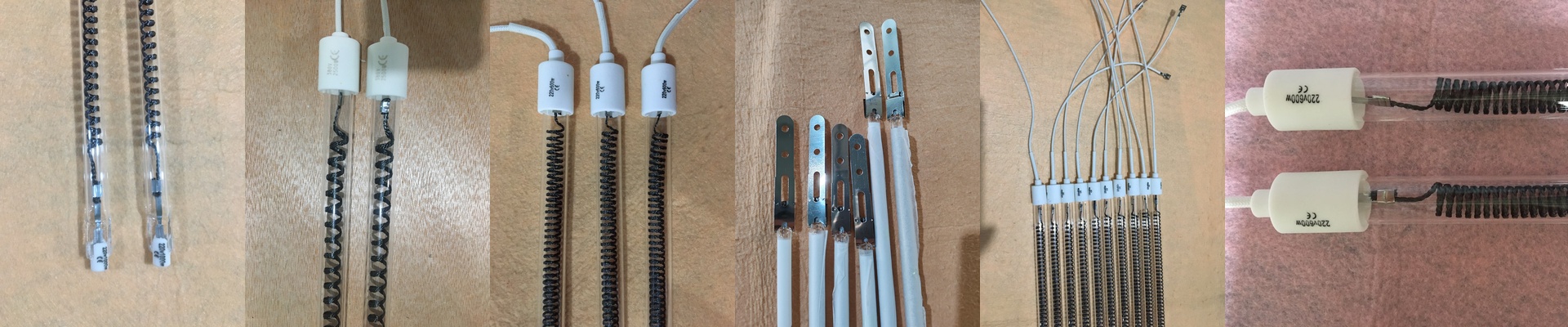
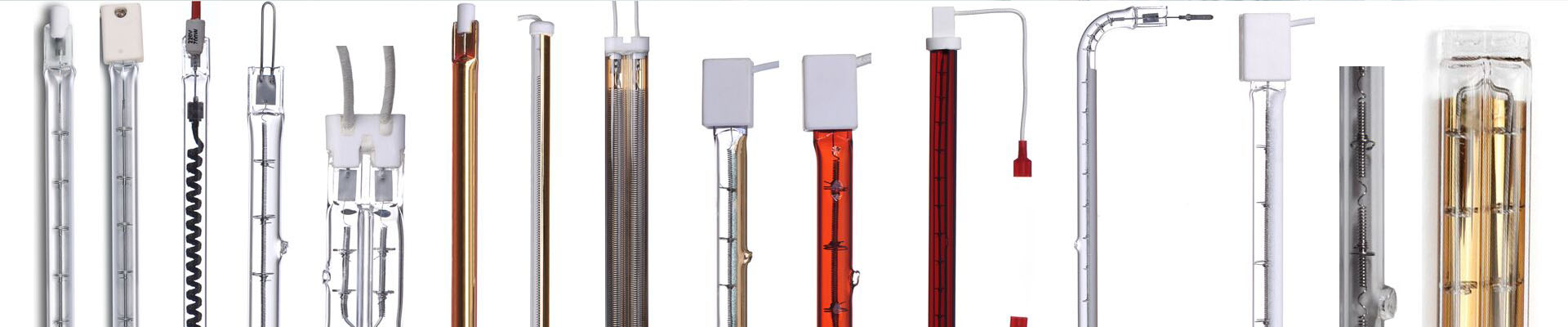
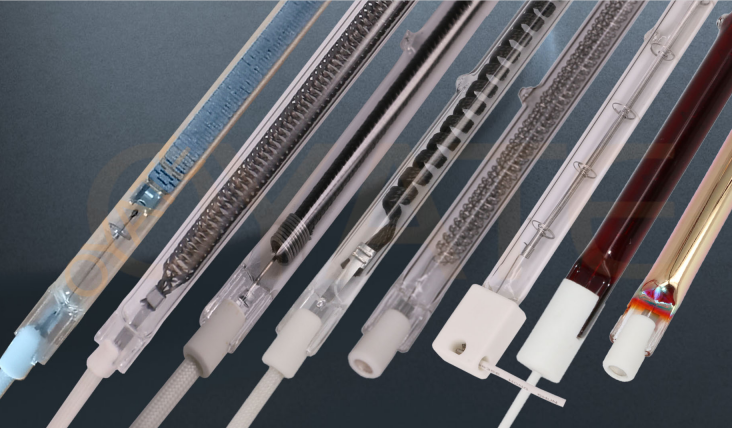
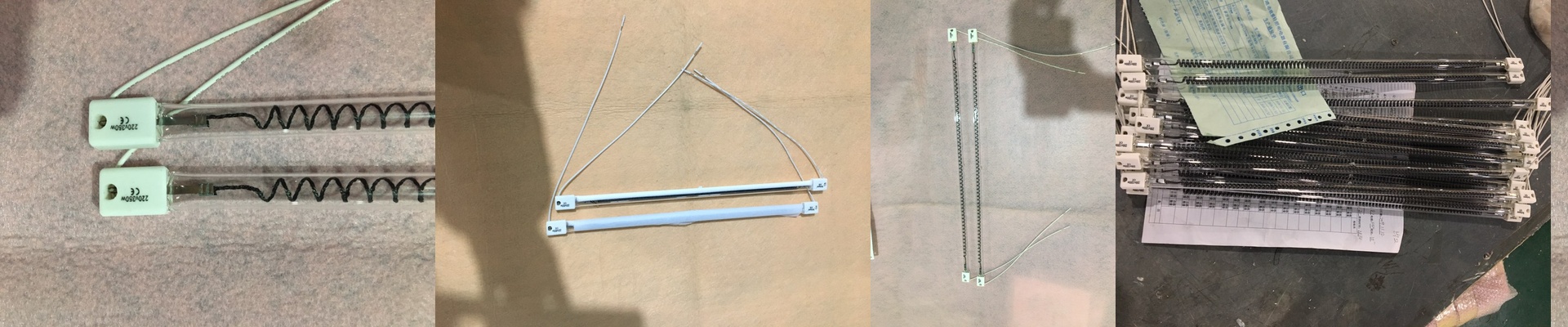
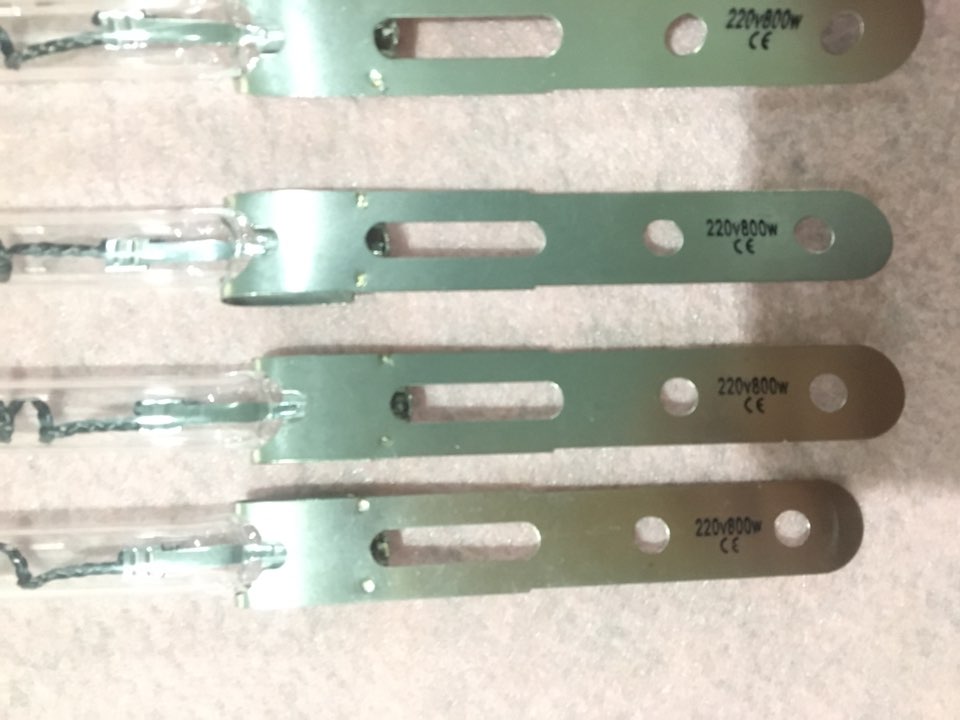
The honest answer? It all comes down to how you use them. If you’re looking at your cycle times and how fast you need things to heat up, that’s where the real story is. Most old-school heaters rely on convection—basically heating up the air and hoping that air heats your part. Carbon tubes don’t play that game. They shoot short-wave infrared radiation straight at the workpiece. It’s a direct hit. You aren’t wasting money heating the empty space in the room. The speed factor Here is the cool part: carbon filaments don’t need a long “wake up” period. While tungsten gets hotter, carbon is just better at pushing that heat out. When you flip the switch, you get full power almost instantly. No more sitting around waiting for a ceramic or oil-filled system to finally get warm. It’s fast. Really fast. But there’s a catch. Because they’re so powerful, they’re a bit picky about electricity. If your voltage is jumping all over the place, you might fry the filament. You’ll want a steady power supply to keep things from going sideways. A few things to watch out for We wrap the carbon core in quartz. It’s a great setup because the IR waves slide right through the glass without getting trapped. But keep in mind, these aren’t bulletproof. If your machinery vibrates a lot, these tubes can feel the stress. I always tell people: double-check your mounting brackets. If the brackets are squeezing the tube or shaking it too hard, the heater is going to give out way sooner than it should. Looking at the bottom line If you’re doing something like paint curing or PET blowing, these heaters are a lifesaver for your electric bill. Why? Because you can move your product through the line much faster. Less time under the heater means fewer kilowatt-hours wasted. Now, you will pay more upfront. Nichrome wire is cheap, but carbon is an investment. You’re spending more on the hardware today so you can stop stressing about the utility bill every month. Just one last tip: make sure your cooling system can handle the heat. These things put out an intense, localized glow, and if you haven’t spec’d your housing correctly, you might find your metal frames warping.