
The cold snap hits, and the retail floor goes quiet. Customers hover at the threshold, reluctant to step in. Staff bunch up near the door, focus frayed by the chill. With a conventional heater, you wait—minutes tick by while the air warms, and the moment slips away.
What matters, technically
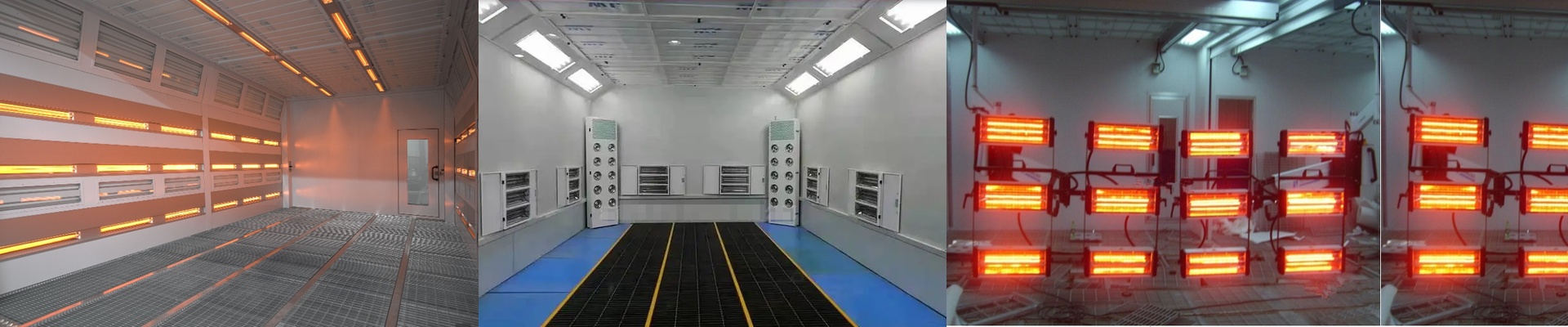
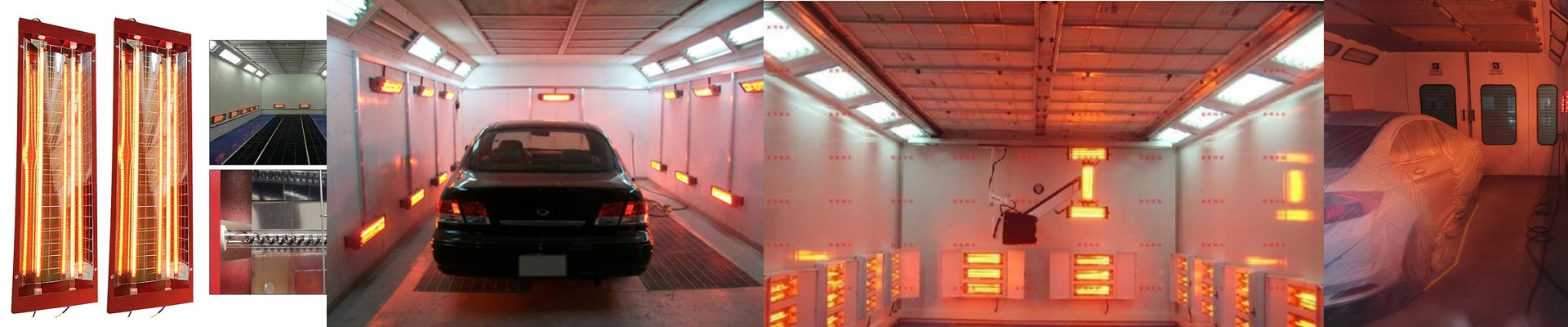
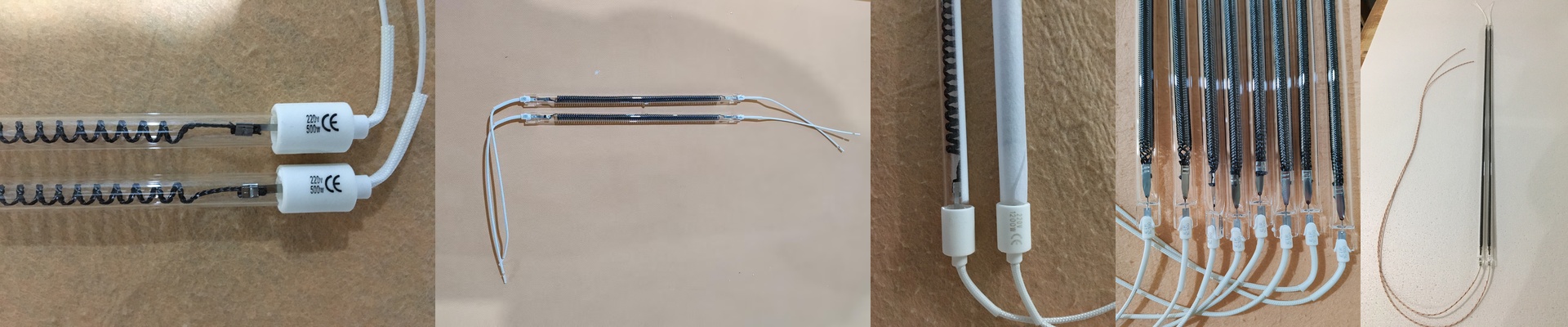
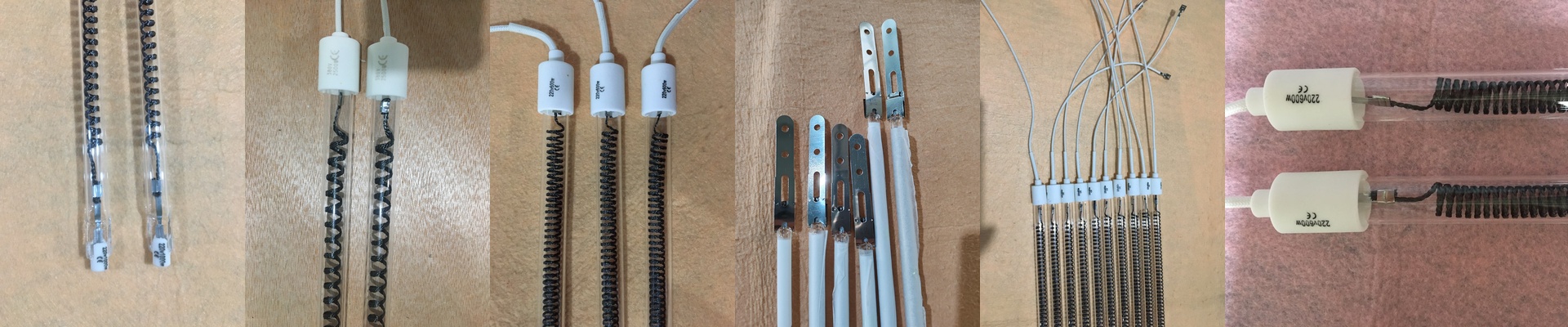
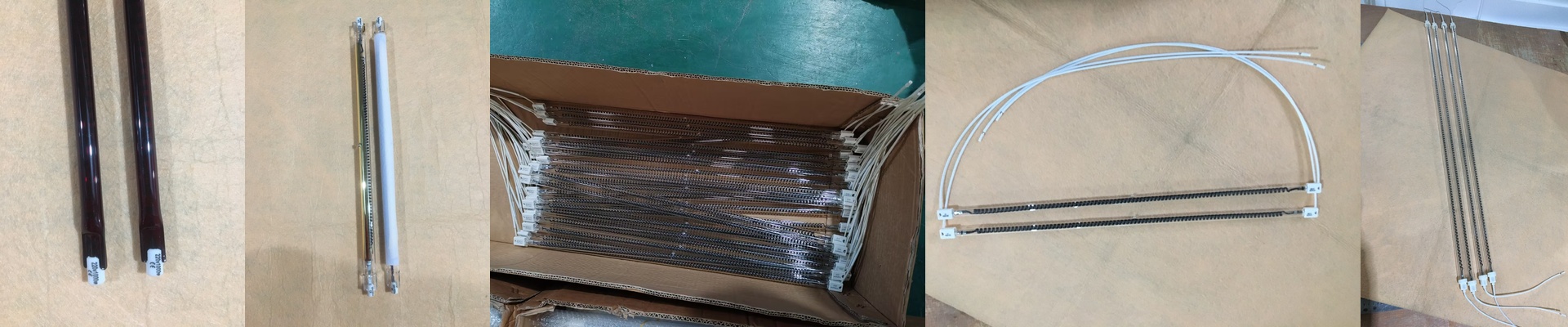
Infrared heaters for retail use lean on radiant warmth, not convection. A carbon fiber or quartz element throws short- to medium-wave infrared that travels in straight lines and heats people and surfaces directly. The payoff is what we call second-level thermal balance: full, usable warmth in seconds, not the long ramp-up of forced-air. Many units run on standard 120V outlets, pull 1.5–3 kW, and give you an adjustable thermostat or multi-stage controls. That lets you dial in comfort without overshooting. For safety, look for tip-over protection, an overheat cutoff, and a solid grill. Some models are rated for damp locations with an IP rating—handy near entryways where weather sneaks in.
Why it works in a store
Comfort is commerce. Infrared warmth arrives the moment a customer steps inside, so browsing starts right away and staff stay sharp. Because the heat targets bodies and merchandise, not the ceiling air, energy goes where it matters. You’re not heating empty space, and usage stays steady. The feel is gentle and even—no drafts, no noise—just a quiet, toasty zone that invites people to linger. In fitting rooms, at checkout, and in entry vestibules, that instant response keeps the flow moving and the place welcoming, even when the wind turns.
The practical stuff
Infrared heat is directional, so plan coverage to match foot traffic. Aim the beam at seating, checkout points, and entry paths, and use multiple units for wider layouts. Clearances matter: keep combustibles and fabrics at the manufacturer’s specified distance, and don’t place heaters directly above high-moisture spots like sinks unless the model is rated for it. Most units plug into standard outlets, but if you’re running several heaters, balance the load across circuits to avoid breaker trips. With thoughtful placement, you get fast comfort, smoother operating swings, and a store that feels warm the instant the door opens.