
Getting to the Heart of How These Heaters Work
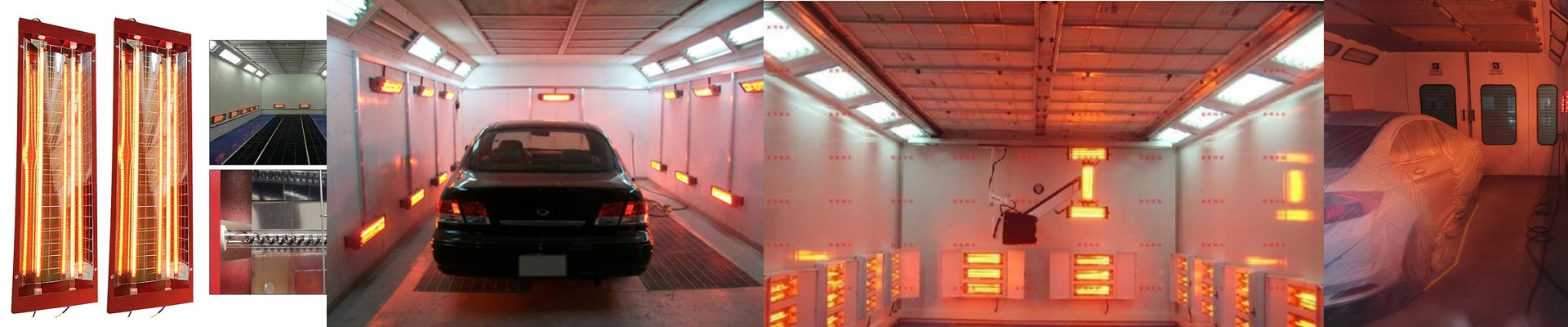
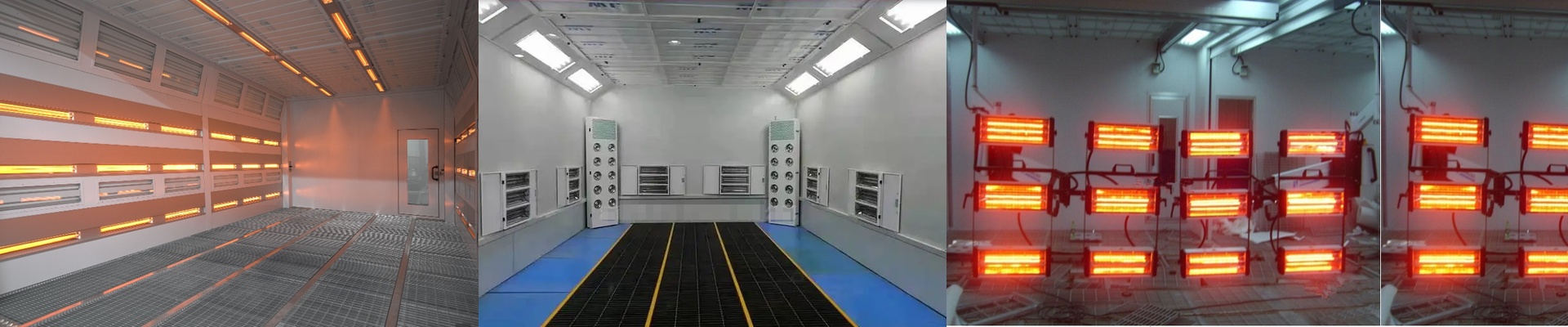
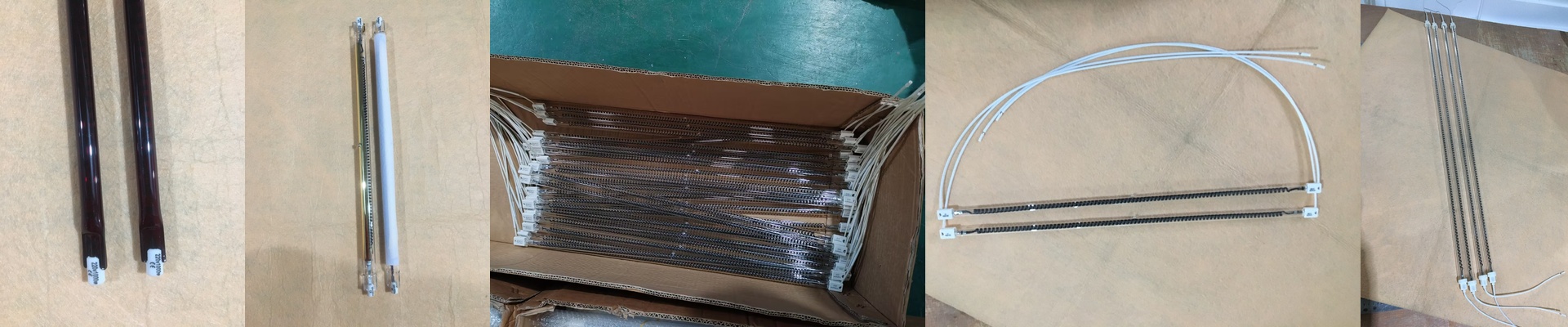
Here’s the thing about our halogen patio heaters: we built them with one clear goal in mind. Deliver serious warmth out in the open, without taking up a ton of space. How do we do it? With shortwave infrared radiation. It’s a fancy way of saying the heat goes straight to the people and things around it, not to the air. So you feel the warmth almost instantly, instead of waiting for the whole area to get hot. We typically stick to 2500W or 3000W models, and you can run them on either 230V or 400V. That flexibility is a big deal. It means you can match the power to what your wiring and electrical panel can comfortably handle. The tubes themselves are kept short—anywhere from 300mm to 450mm. That keeps the heater compact, but still throws out a wide, controllable wave of heat.
The Inside Story: Built to Last
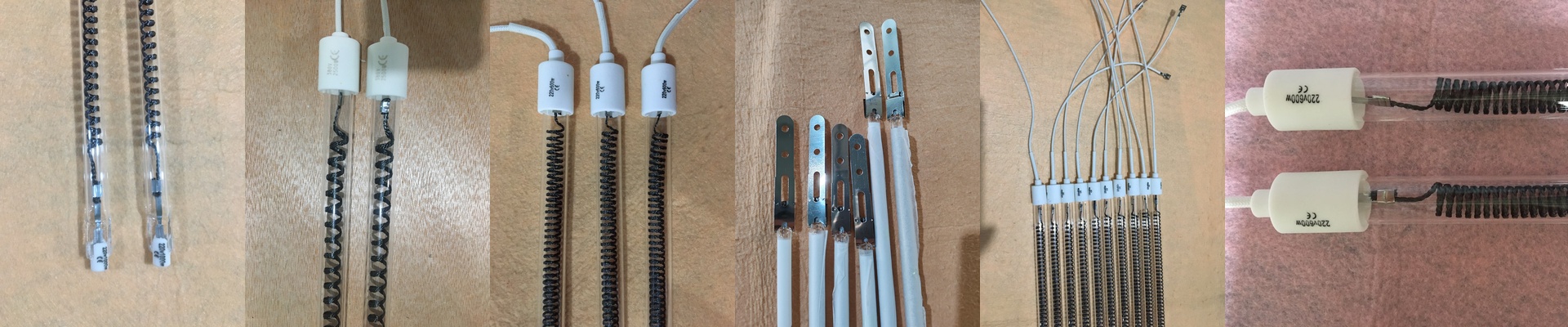
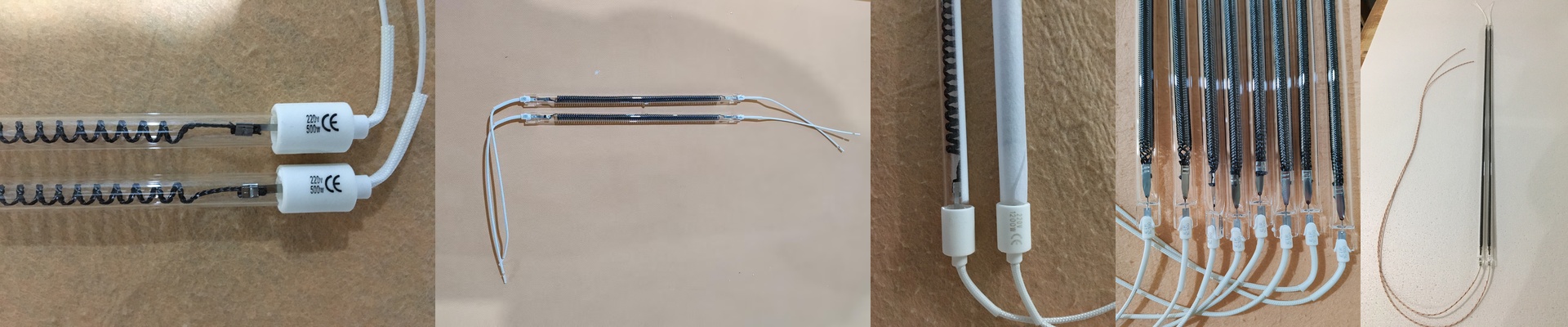
Inside the heater, you’ll find a quartz tube filled with halogen gas. This is where the magic happens. The gas keeps the filament stable, even when it’s running white-hot, and it stops the tube from blackening over time. So the heater stays bright and efficient for years. We also coat the back of the tube with a reflective layer. It’s all about directing every bit of heat downward, right where you need it. No waste. And when it comes to the connections, we use R7s lamps. They’re a standard, two-pin design that just snaps right in. Easy to replace. The terminals handle a heavy electrical load, and the ceramic base stays cool even after hours of use. That means it can handle being switched on and off over and over again, without burning out on you.
Why This Matters on Your Patio
Out on a chilly patio, the whole point is to stop that sudden loss of body heat. And that’s exactly what these heaters do. The shortwave heat kicks in fast, with almost no warm-up time. You get warmth exactly where you point it, so you’re not wasting energy heating empty space. It’s a lot of power packed into a small package, which is great, but it also means the area around the heater warms up quickly. So you’ll want to plan for enough clearance, and make sure your mounting hardware can handle the heat. When you get the setup right, the whole system just works. Rain or wind, it stays reliable and easy to service, year after year.